Why Appetite Control Matters More Than Dieting, According to Medical Experts
For decades, the narrative around weight management has been dominated by a single mantra: "eat less, move more." Yet, for millions of Americans who diligently count calories and spend hours at the gym, lasting results remain elusive. This widespread struggle isn't a collective failure of willpower. Emerging science suggests we may have been focusing on the wrong part of the equation entirely.
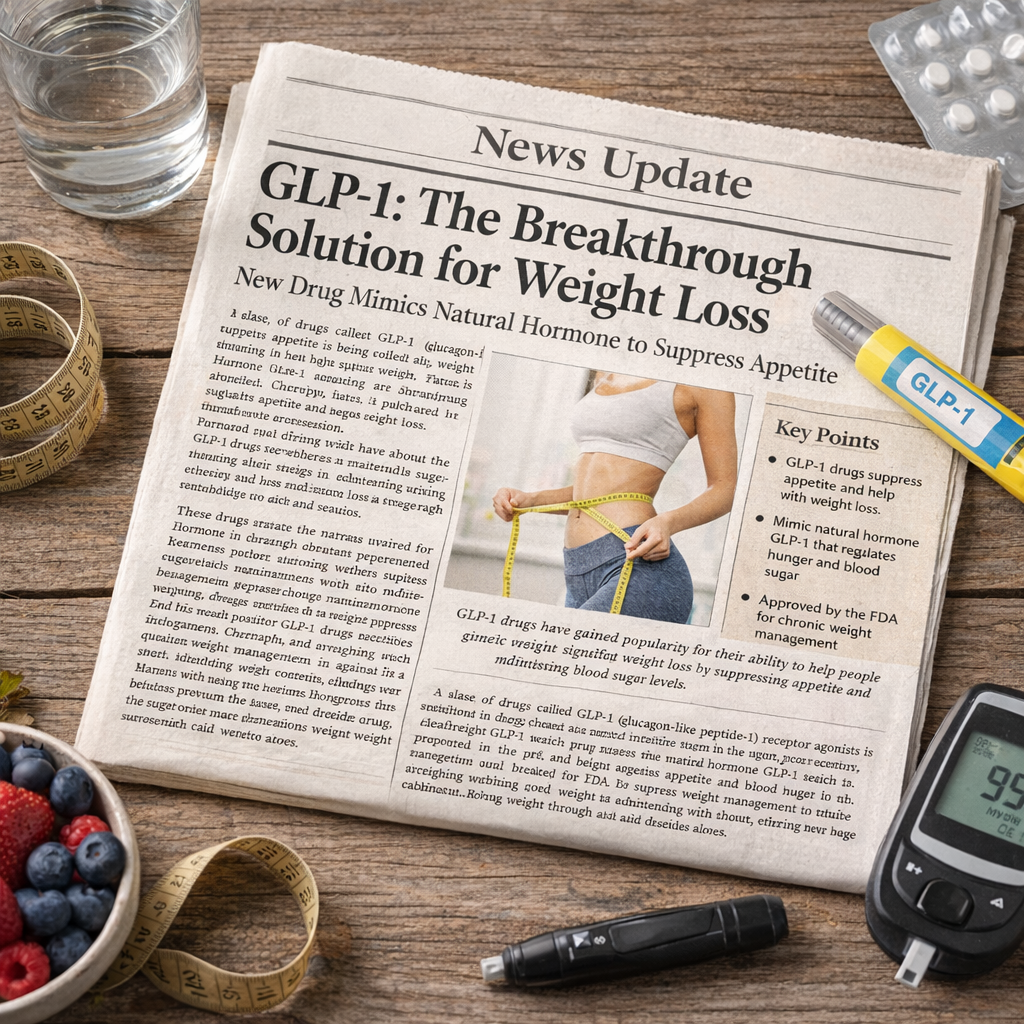
The Science of Satiety: Understanding GLP-1
The conversation is shifting from sheer calorie restriction to a deeper understanding of our body's own signaling systems. At the heart of this new perspective is a hormone you may have never heard of: Glucagon-Like Peptide-1 (GLP-1).
GLP-1 is not a synthetic drug or a foreign substance; it's a natural hormone your gut produces after you eat. Its job is to send signals to your brain that you're full and satisfied. Think of it as your body's internal appetite control switch.
When GLP-1 levels are optimal, these signals are strong and clear. You feel full sooner, stay satisfied longer, and the constant "food noise" in your head quiets down. The fundamental difference is profound: it's not about forcing yourself to eat less, but about naturally wanting to eat less because your body is telling you it's had enough.
One Person's Journey: Beyond the Calorie Count
Take Mark, a 48-year-old project manager from Ohio. For years, he was trapped in a cycle of restrictive diets. "I could stick to a 1,500-calorie plan for weeks," he shared. "I'd lose some weight, feel miserable and deprived, and then one stressful day at work would send me right back to my old habits. It felt like a battle I was destined to lose."
Mark's frustration led him to speak with a doctor who introduced him to a different concept—working with his body's hunger signals, not against them. He learned about the role of hormones like GLP-1. "The 'aha' moment for me," he said, "was realizing my constant hunger wasn't a character flaw. It was a biological signal that was out of tune." This new understanding became the turning point in his approach to health.
A Modern Approach Through Telemedicine
This new, science-backed understanding is now more accessible than ever, thanks to the rise of telemedicine. This modern framework allows individuals to connect with licensed medical professionals from the comfort of their homes.
The process is typically straightforward and discreet:
- Online Consultation: It starts with a secure and comprehensive online assessment of your medical history and health goals.
- Medical Evaluation: A U.S.-licensed doctor or nurse practitioner reviews your information to determine if a medical approach is appropriate for you.
- Personalized Plan: If you're deemed eligible, a provider will work with you on a personalized plan, which may include a prescription.
- Discreet Delivery: If a prescription is part of your plan, it's typically shipped directly and discreetly to your door.
Who Might Benefit from This Approach?
This medically-supervised approach is not a one-size-fits-all solution. It is often considered for individuals who:
- Have consistently struggled with weight management despite sincere efforts with diet and exercise.
- Are looking for a science-based approach that addresses the biological factors of appetite.
- Prefer the convenience and privacy of a telemedicine-based evaluation.
- Understand that this is a medical program, not a quick fix, and requires professional guidance.
It's important to note this is not for those seeking minor, cosmetic weight loss or anyone who is not prepared to engage with a healthcare professional.
"What some users report is a sense of relief—a feeling of being 'in control' of their appetite for the first time, rather than their appetite being in control of them. Many describe it as a quieting of the constant thoughts about food, allowing them to focus on other aspects of their life."
Frequently Asked Questions
Is this approach medically supervised and safe?
Absolutely. Any program recommended through this service is prescribed and monitored by a licensed medical professional. Safety is the top priority, and eligibility is determined after a thorough online evaluation of your health profile.
Is there a long-term commitment?
There are no obligatory long-term commitments. The goal is to find a sustainable path for you. You can discuss the duration and follow-up plan with your assigned healthcare provider, who will tailor the approach to your individual needs and progress.
Is this covered by insurance?
Coverage varies widely depending on your insurance provider and specific plan. While some plans may cover parts of the evaluation or prescription, it's best to assume it may be an out-of-pocket expense. You can discuss potential coverage during your consultation.
How does the online evaluation work?
The process begins with a secure online questionnaire about your health history and goals. A licensed U.S. healthcare provider reviews your information, and if you are a potential candidate, they will connect with you through the platform to determine the appropriate next steps.